

Multifactor authentication (MFA) protects your accounts by requiring two or more forms of identification, such as a password and a code sent to your phone. Enabling MFA is a standard best practice for securing your online accounts, but it’s important to understand its limitations and potential risks. How cybercriminals can bypass MFA There are three […]
Multifactor authentication: Extra protection, but not without risks
Protecting your store from holiday cyberthreats
The festive season is a critical time for retailers, but it’s also prime hunting season for cybercriminals. With more transactions and digital activity than ever distracting employees, the risk of scams, breaches, and online attacks skyrockets, threatening both businesses and customers.
Guarding your business against digital attacks: Key cybersecurity risks explained
Cyberattacks like DDoS, ransomware, and password breaches can significantly harm your business if you don’t have the proper protections in place. This article explores the most common forms of cybercrime affecting businesses today, including the dangers of phishing emails and malware infections.
Office devices are becoming tools for scams: What you need to know
Cybercriminals are now using innocuous office devices such as printers and scanners to launch phishing attacks without needing to hack into your email account. Learn how to spot and stop this new trick to keep your workplace safe from phishing scams.
New email scam alert: There’s an imposter in your inbox
We all know to be careful of suspicious emails from strangers. But what happens when a scam email looks like it was sent by your own colleague? A newly discovered scam allows hackers to become imposters within your organization’s email system, making it harder than ever to tell what’s real and what’s a trap.
US critical infrastructure faces growing ransomware threat
The FBI’s 2024 Internet Crime Report reveals a skyrocketing increase in ransomware attacks targeting critical infrastructure, which includes sectors such as healthcare, communications, energy, and financial services. With phishing and social engineering tactics enabling many of these breaches, experts urge organizations to bolster their defenses to mitigate this increasing risk.
The most common social engineering tactics you need to know about
Social engineering is a type of attack where scammers take advantage of trust to steal personal information, money, or access. It’s alarmingly effective, and methods are only getting more sophisticated. To help you recognize these scams, we’ve compiled a list of the most common social engineering tactics.
Retailers: Don’t let the Grinch steal your cheer (and your customer data)
The holiday season is exciting for retailers, bringing a surge in customers and sales. However, with this increase comes a heightened risk of cyberattacks. Hackers know that businesses are busy and distracted during this time, making it the ideal moment to strike.
Keep your business safe from common cyberthreats
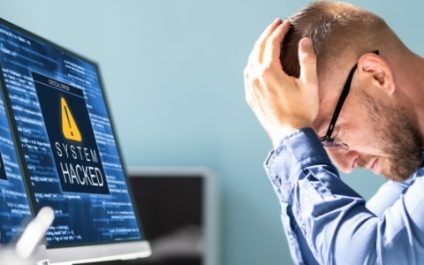
Cyberattacks pose a significant threat to businesses of all sizes, from small businesses to huge corporations. No company is immune. Therefore, you need to learn about common cyberthreats and how to prevent them so that you can better protect your business, employees, and customers.
Recommendations for implementing a secure email strategy
With email as a primary communication channel for most businesses, robust security measures are no longer optional. Cybercriminals are constantly refining their tactics, exploiting vulnerabilities in email systems to launch phishing attacks, distribute malware, and compromise sensitive data.